Donor Area Management: Protecting Your Most Valuable Asset
How to understand, preserve, and make the most of your donor area for hair transplant surgery.
Why Your Donor Area Is Everything
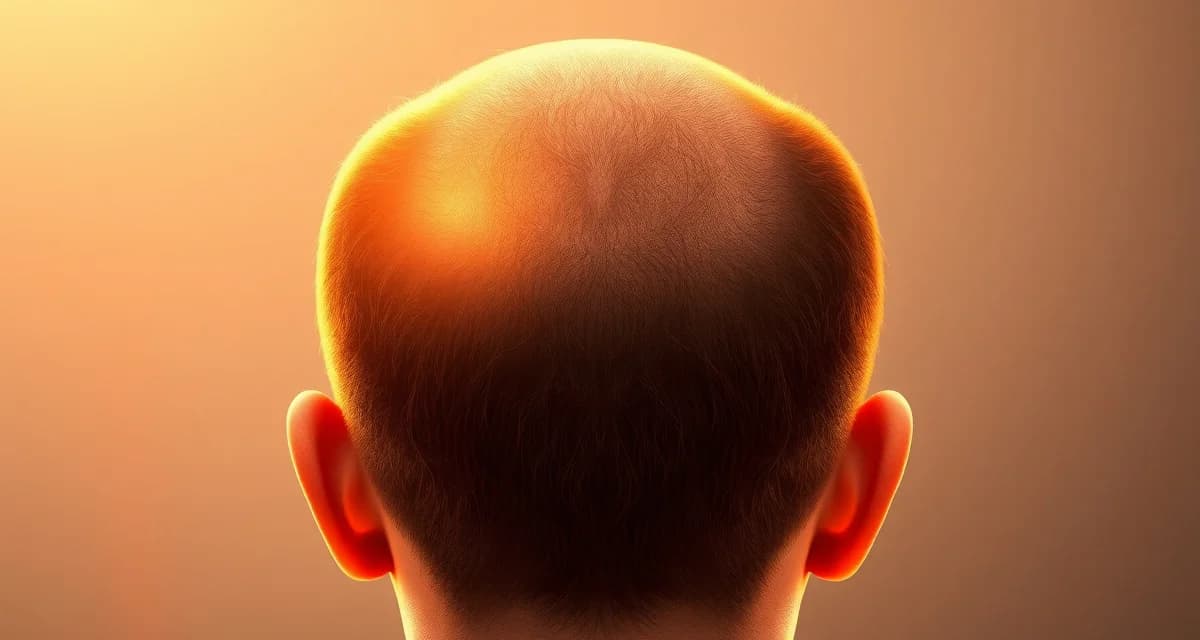
The donor area - the band of hair around the back and sides of your head - is the supply that funds every transplanted graft. Unlike the hair on top, donor hair is genetically resistant to DHT and continues growing for life after being transplanted. But the donor supply is finite. Once it's depleted, there are no refills. Managing it wisely is one of the most critical aspects of hair restoration planning.
How Much Donor Hair Do You Have?
The average person has roughly 6,000-8,000 transplantable grafts in their scalp donor area. Some people have more, some less, depending on hair density, scalp laxity (for FUT), and the size of the safe donor zone. A good surgeon assesses donor supply before recommending how many grafts to use per session.
The Safe Donor Zone
Not all hair on the back and sides is truly permanent. The "safe" donor zone is the area that reliably resists DHT-driven miniaturization over a lifetime. It's typically a band about 8-10cm wide at the back of the head, but it varies between individuals. Aggressive donors who harvest outside this zone risk transplanting hair that will eventually thin.
FUE vs. FUT Donor Impact
FUE extracts individual follicular units scattered across the donor area. Done well, this leaves the donor looking naturally thin but even. Done poorly or excessively, it can create a moth-eaten appearance. FUT removes a strip, leaving a linear scar but keeping the remaining donor density intact. Many surgeons recommend FUT first for maximum yield, followed by FUE in later sessions to access remaining donor potential.
Overharvesting: The Biggest Risk
Clinics that promise mega-sessions of 5,000+ FUE grafts in a single sitting should be approached with caution. Extracting too many grafts from the donor area at once can leave visible thinning, scarring, and a depleted appearance. A responsible surgeon caps extraction to maintain donor cosmetic quality - typically no more than 25-30% of total follicles in the donor zone across all lifetime sessions.
Body Hair Transplant (BHT)
When scalp donor supply is insufficient, some surgeons harvest from the beard, chest, or other body areas. Body hair has different growth characteristics (shorter growth cycle, finer texture), so results are less predictable than scalp hair. Beard hair is the best body donor source, with characteristics closest to scalp hair. BHT is generally considered a supplemental option, not a primary donor source.
Long-Term Planning
The best approach is to think of donor hair as a lifetime budget. A 25-year-old at Norwood 3 may eventually progress to Norwood 5 or 6, needing grafts for a much larger area. Using 4,000 grafts now to build a dense Norwood 3 hairline leaves far fewer grafts for future needs. A skilled surgeon creates a natural-looking result today while reserving donor capacity for the years ahead.