PRP Therapy for Hair Loss: How It Works, What It Costs, and What the Evidence Says
An evidence-based look at platelet-rich plasma therapy for hair loss, including the procedure, expected results, cost, and clinical research.
What Is PRP Therapy?
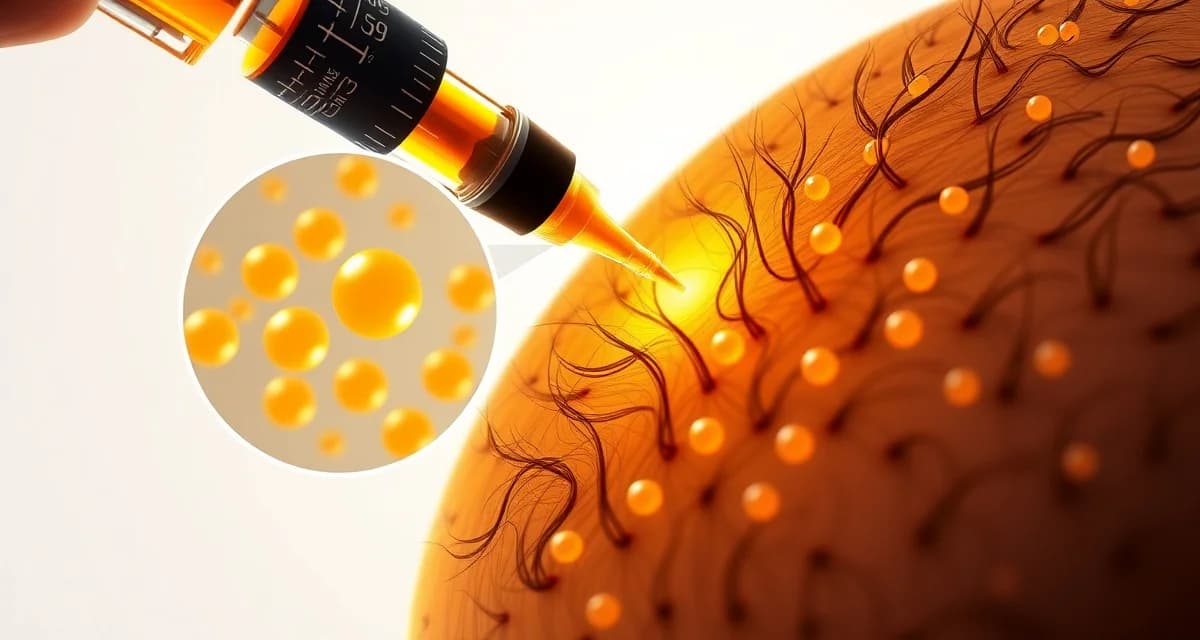
Platelet-rich plasma (PRP) therapy involves drawing your blood, spinning it in a centrifuge to concentrate the platelets, and injecting the concentrate into your scalp. Platelets release growth factors (PDGF, TGF-beta, VEGF, and others) that may stimulate dormant follicles and extend the growth phase of the hair cycle.
The Procedure
A PRP session takes about 30-60 minutes. The provider draws 30-60ml of blood (a few tablespoons), processes it in a centrifuge for 10-15 minutes, then injects the concentrated PRP into the treatment area using a fine needle. Most clinics use a topical numbing cream or nerve blocks to manage discomfort. You can return to normal activities the same day.
What the Research Shows
Multiple randomized controlled trials have found PRP produces statistically significant increases in hair count and thickness compared to placebo injections. A 2019 meta-analysis in the Journal of Cosmetic Dermatology covering 11 studies concluded PRP was an effective treatment for androgenetic alopecia. However, results vary significantly between studies, partly because there's no standardized PRP preparation protocol - different centrifuges produce different platelet concentrations.
Treatment Schedule
Most protocols call for 3-4 initial sessions spaced 4-6 weeks apart, followed by maintenance treatments every 3-6 months. Some clinics recommend combining PRP with microneedling, which may improve absorption. Results typically become visible after the second or third session, with peak improvement at 6-12 months.
Cost
PRP for hair loss typically runs $500 to $1,500 per session in North America. With an initial series of 3-4 treatments plus annual maintenance, first-year costs can range from $2,000 to $6,000. PRP is not covered by insurance. Some clinics offer package pricing that brings the per-session cost down.
Who Is a Good Candidate?
PRP works best for people with early to moderate hair thinning where follicles are miniaturized but still present. It's less effective for completely bald areas where follicles are already gone. PRP is often used alongside finasteride and minoxidil, and some surgeons use it during hair transplant surgery to improve graft survival.
Limitations
PRP isn't a cure. Results are temporary and require ongoing maintenance sessions. The lack of a standardized preparation protocol means quality varies between clinics. Not all patients respond - some see little to no improvement. Ask your provider about their specific PRP protocol, including the centrifuge system used and the target platelet concentration.